
Understanding the Psychology of Casino Games
The allure of casino games extends beyond the potential for financial gain; it taps into deep-seated psychological drivers. Understanding these psychological elements is crucial for any player looking to engage with casino environments responsibly and with a clear perspective. Factors like the thrill of chance, the perception of skill, and the immediate gratification of wins all play significant roles in shaping a player’s experience and decision-making.
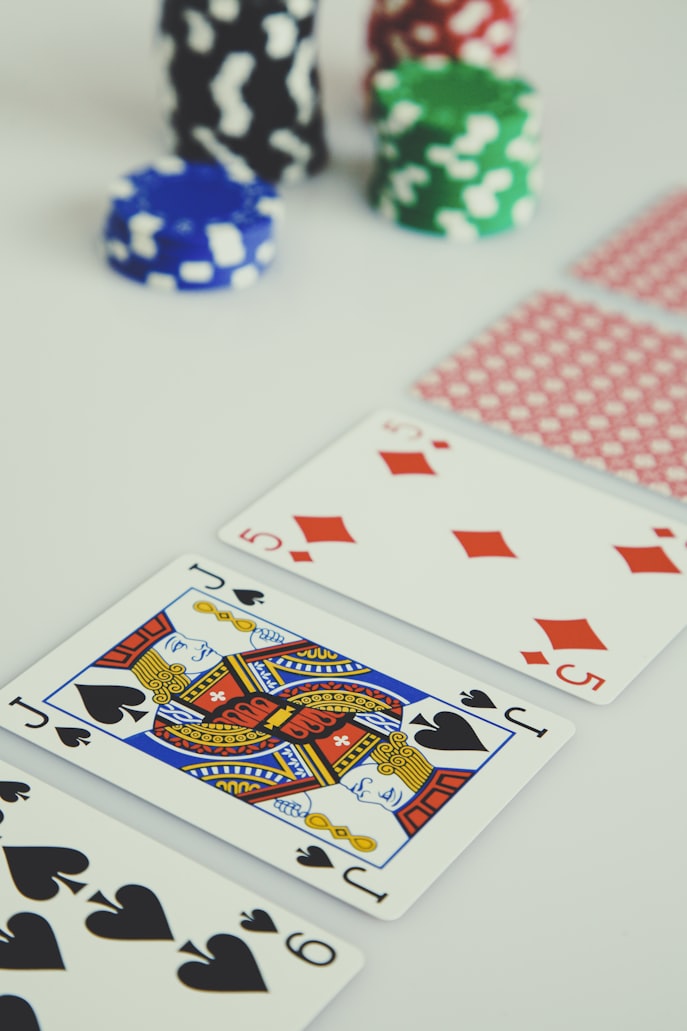
Casinos are expertly designed environments that leverage psychological principles to enhance player engagement. From the ambient sounds and visual stimuli to the very structure of games, every element is intended to keep players immersed. Recognizing these subtle influences allows individuals to approach casino play with a more informed and less susceptible mindset, distinguishing between genuine entertainment and potentially harmful patterns of behavior. pocketwin login
The Gambler’s Fallacy and Cognitive Biases
A significant psychological hurdle for many casino players is the gambler’s fallacy, the erroneous belief that past independent events influence future outcomes. For instance, believing that a roulette wheel is “due” for a specific color after a string of the opposite color is a classic example. This bias often leads to poor decision-making, such as increasing bet sizes in the hope of correcting perceived imbalances, which rarely aligns with the actual probabilities of random events.
Beyond the gambler’s fallacy, other cognitive biases can impact betting strategies. Confirmation bias might lead players to focus on their wins while downplaying losses, reinforcing a potentially inaccurate belief in their own skill or luck. Availability heuristic can cause players to overestimate the likelihood of winning based on recent memorable successes, ignoring the vast majority of less dramatic outcomes. Awareness of these biases is the first step in mitigating their influence on betting decisions.
Managing Emotions and Maintaining Rationality at the Casino
The emotional rollercoaster of casino gambling can be intense, with wins evoking euphoria and losses leading to frustration or desperation. The ability to manage these emotions is paramount to maintaining a rational approach. Allowing emotions to dictate betting decisions, such as chasing losses or increasing bets impulsively after a win, is a direct path to financial detriment and a deviation from strategic play.
Developing emotional resilience involves setting clear objectives before playing and sticking to them, regardless of the immediate outcomes. This includes establishing strict limits on both time and money spent. Practicing mindfulness techniques, even in a casino setting, can help players stay grounded in the present moment, observe their thoughts and feelings without immediate action, and ultimately make more calculated decisions rather than reactive ones.
The Role of Strategy vs. Pure Chance in Casino Games
While many casino games are predominantly based on chance, the perception of strategy can still influence a player’s psychological state. Games like blackjack and poker offer elements where skillful play can indeed improve odds over the long term. However, even in these games, the house edge is a persistent factor, and understanding the nuances of strategy is key to minimizing losses rather than guaranteeing wins.
For games of pure chance, such as roulette or slot machines, any perceived strategy is largely psychological. Players may develop rituals or systems, but these do not alter the underlying random number generation. The satisfaction derived from these games often comes from the anticipation and the thrill of the unpredictable outcome, rather than from a quantifiable edge gained through skill. Recognizing this distinction helps in setting realistic expectations.

Navigating Casino Environments Responsibly
Responsible casino engagement hinges on a deep understanding of both the games and one’s own psychological responses. Casinos are designed for entertainment, and approaching them with a mindset focused on enjoyment, rather than as a primary source of income, is fundamental. This involves recognizing that the house always has an inherent advantage, and any “winning edge” is often temporary or a result of favorable variance.
Setting strict budgets, adhering to playing time limits, and knowing when to walk away are critical components of responsible gambling. Players should educate themselves about the odds of the games they play and be aware of the psychological tactics casinos might employ. Ultimately, a healthy relationship with casino entertainment is built on self-awareness, control, and a clear understanding of the risks involved, ensuring that the experience remains enjoyable and does not lead to negative consequences.